
What Is Yakuwari-go?
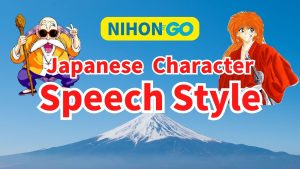
Yakuwari-go (役割語) refers to stylized ways of speaking used by characters in Japanese media to reflect their role—such as age, gender, or social status. These speech patterns are rarely used in real life, but often appear in anime, manga, and fiction to make characters more distinctive.
Examples:
- An old man might say “~ja” or “~nō”
- A wealthy lady might use “~zamasu”
- A baby might say “~dechu”
Learning about yakuwari-go helps Japanese learners better understand character personalities and language in pop culture. So let’s get started!
Feminine Speech Style|女性語
A Gentle and Polite Way of Speaking Traditionally Associated with Women
The feminine speech style features soft, elegant expressions often used by female characters, especially in formal or traditionally feminine roles. Common sentence endings include “~no yo,” “~kashira,” and “~yo ne.” This style emphasizes warmth, empathy, and refinement, and is frequently used in fiction to portray gentle, thoughtful, or graceful female characters.
やわらかく丁寧で、女性らしさを感じさせる話し方
女性語は、丁寧で共感的な口調を特徴とし、「〜なのよ」「〜かしら」「〜よね」などの語尾を多用します。感情や気遣いがにじみ出るような表現が多く、やさしさや上品さを演出する際に使われます。フィクションでは、穏やかで落ち着いた女性キャラクターによく見られます。
Example phrases:
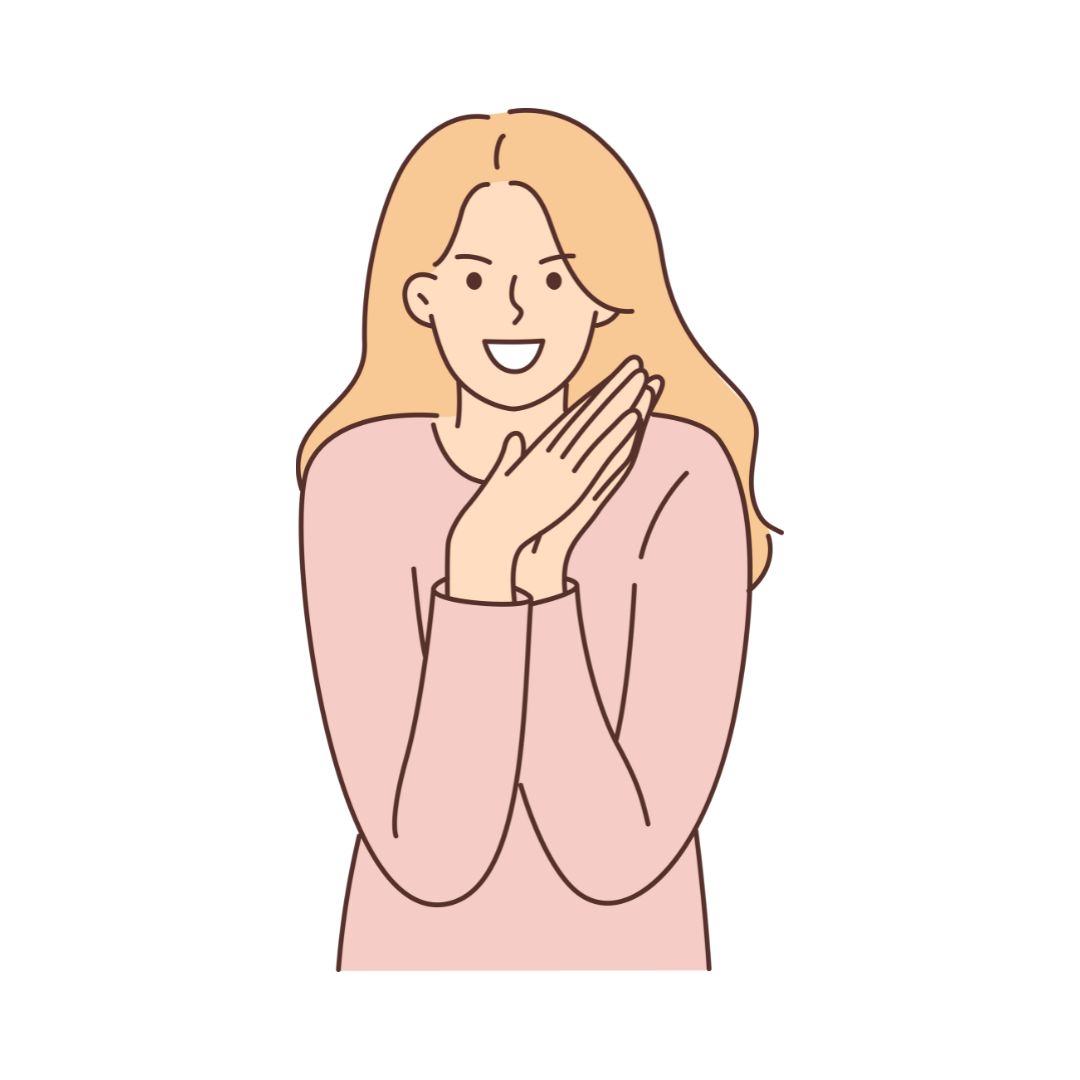
あのバック、素敵なのよね。
(Ano bakku, suteki na no yo ne.)
That bag is lovely.

これで本当に大丈夫かしら?
(Kore de hontō ni daijōbu kashira?)
I wonder if this will really be okay…
Representative characters:
Sayo Otonashi (Blood+)
音無小夜(BLOOD+)
Masculine Speech Style|男性語
A Direct and Assertive Way of Speaking Traditionally Associated with Men
The masculine speech style is characterized by firm, casual, and often blunt expressions. It typically uses first-person pronouns like “ore” or “boku,” and sentence endings such as “~da,” “~darō,” and “~jan.” This style conveys confidence, independence, and informality, and is widely used in fiction for hot-blooded protagonists, rivals, or older brother types.
率直で自信にあふれる、男性らしい話し方
男性語は、「俺」「僕」などの一人称や、「〜だ」「〜だろ」「〜じゃん」といった断定的でフランクな語尾を特徴とします。強さや自立心を表現するのに適しており、リーダー格や行動的な男性キャラに多く用いられます。カジュアルで力強い印象を与える話し方です。
Example phrases:

俺がやるしかねぇだろ?
(Ore ga yaru shika nē daro?)
I’ve got no choice but to do it myself, right?
そんなの、俺には関係ねぇよ。
(Sonna no, ore ni wa kankei nē yo.)
That’s got nothing to do with me.
Representative characters:
Roronoa Zoro (One Piece), Katsuki Bakugō (My Hero Academia)
ロロノア・ゾロ(ONE PIECE)、爆豪勝己(僕のヒーローアカデミア)
Elderly Speech Style|老人語
A Slow, Humble, and Nostalgic Way of Speaking Associated with the Elderly
The elderly speech style reflects the speech patterns of senior citizens in Japan. It often includes archaic or regional expressions, slow pacing, and humble tone. Common sentence endings include “~ja,” “no,” or “~zoi,” and speech is frequently accompanied by laughter or sighs. This style is used in fiction to portray wisdom, life experience, and a connection to tradition.
穏やかで昔気質な、年配者らしい話し方
老人語は、高齢のキャラクターが使う口調で、「〜じゃ」「〜のう」「〜ぞい」など、古風でゆったりとした語尾が特徴です。語り口は柔らかく、おおらかさや人生経験の豊かさを感じさせます。地方の方言が混ざることも多く、懐かしさや伝統を象徴するキャラ表現として使われます。
Example phrases:
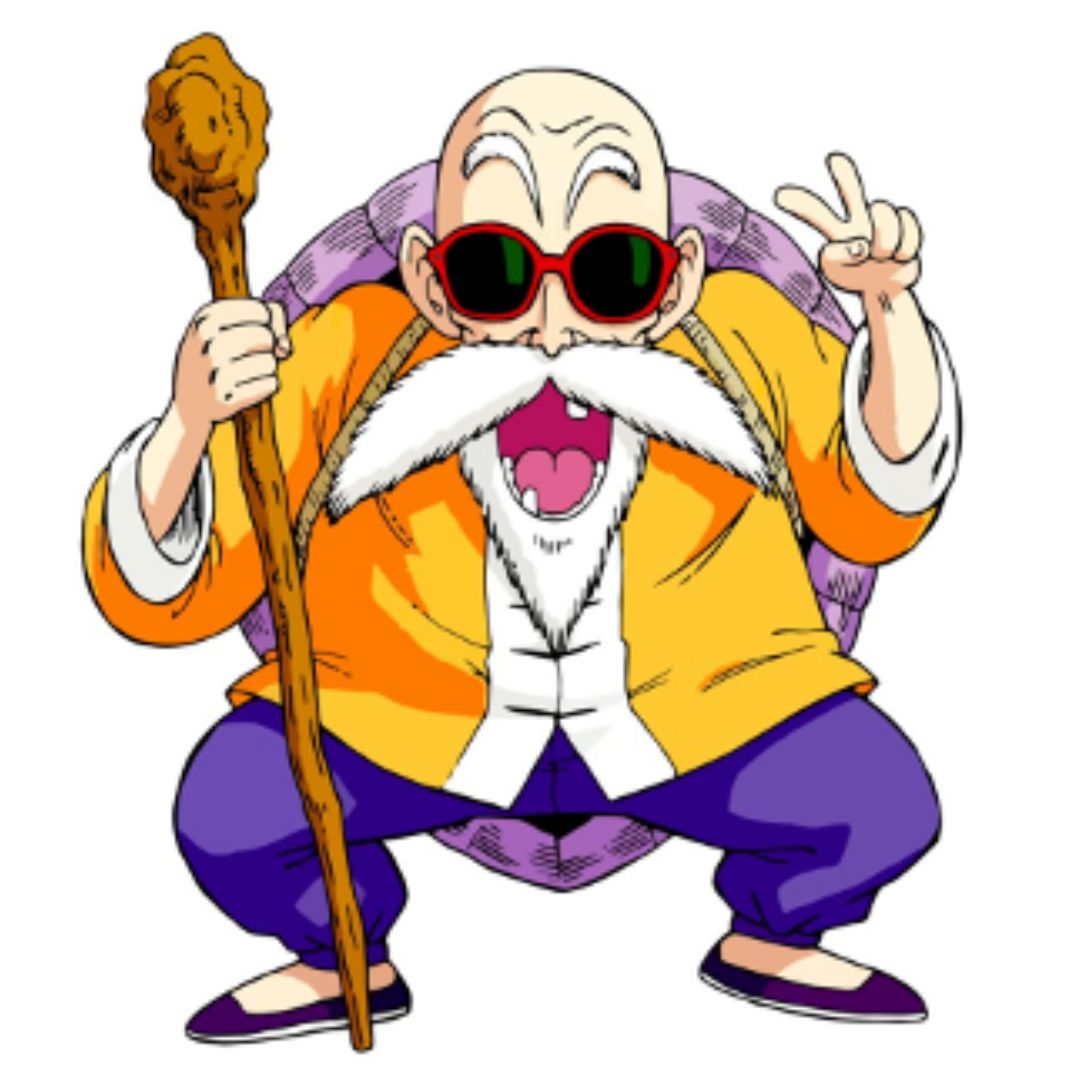
わしは昔、この村で生まれたんじゃ。
(Washi wa mukashi, kono mura de umareta n ja.)
I was born in this village long ago.
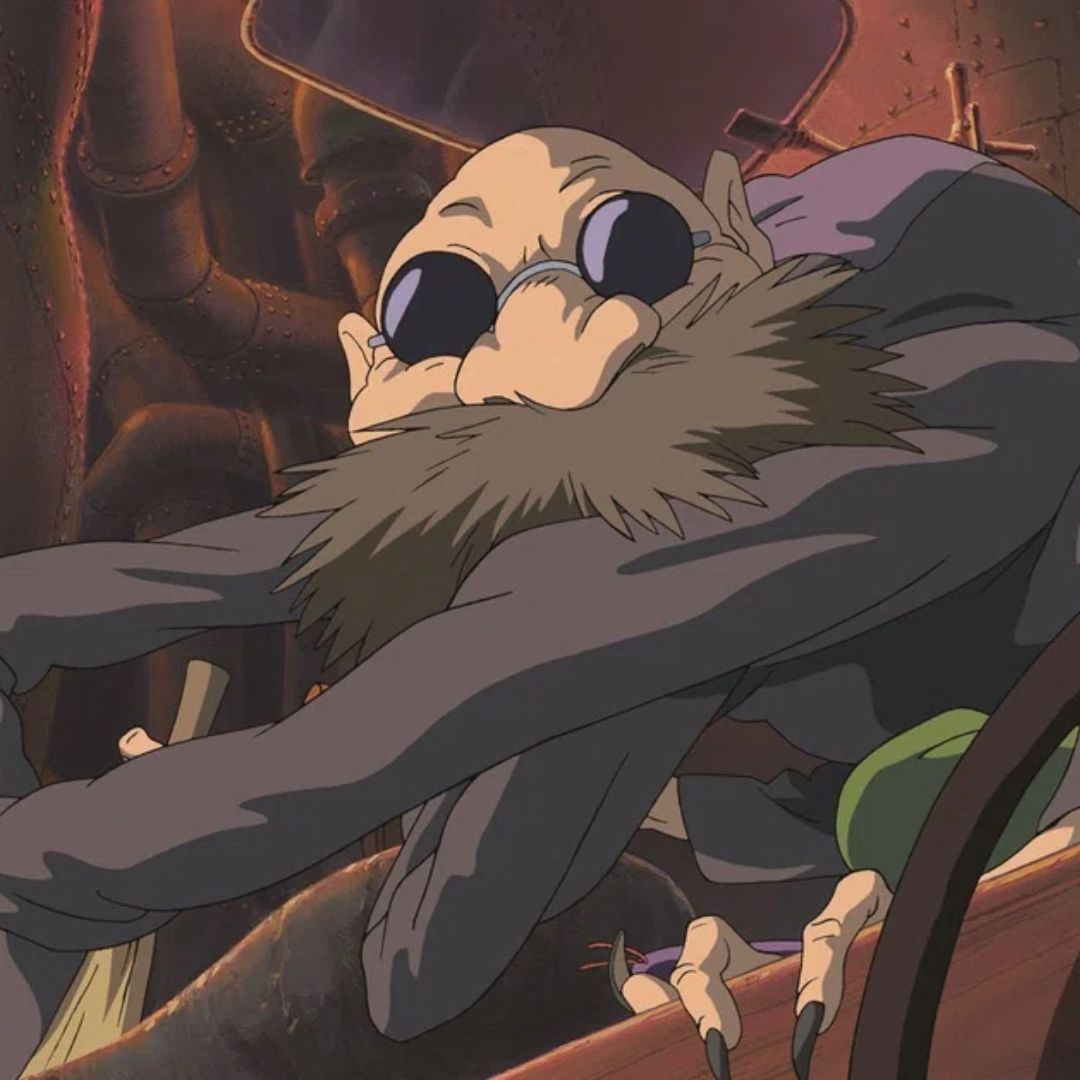
ふぉふぉふぉ、若いもんにはまだまだ負けんぞい。
(Fuo fofo, wakai mon ni wa madamada maken zoi.)
Fufufufu, I still won’t lose to you youngsters!
Representative character:
Kame-Sennin/Master Roshi (Dragon Ball), Kamaji (Spirited Away)
亀仙人(ドラゴンボール)、釜爺(千と千尋の神隠し)
Ojō-sama or Madam Speech Style|お嬢様語・マダム語
A Way of Speaking That Suggests Refinement and Upper-Class Upbringing
“Ojō-sama” and “madam” speech styles are typically used by female characters from aristocratic or affluent backgrounds. They often feature elegant sentence endings such as “~desu wa” or “~mashite yo,” and are characterized by their polished and graceful tone. This style can be considered a more intensified version of feminine speech. However, if overused, it may come across as snobbish or pretentious.
育ちの良さや上流階級であることを演出する話し方
お嬢様語・マダム語は、上流階級の女性キャラに典型的な言葉遣いで、語尾に「〜ですわ」「〜ましてよ」などがつきます。品のある丁寧な口調が特徴です。女性語の強化版と言ってもいいでしょう。使いすぎると嫌味に映ることがあります。
Example phrases:

ごきげんよう、今日は素敵な午後ですわ。
( Gokigen’yō, kyō wa sutekina gogodesu wa. )
Good day, it’s a lovely afternoon today.
まあ、そんな無粋なこと言いまして?
( Mā, son’na busuina koto iimashite? )
Oh, what a rude thing to say!
Representative characters:
Nene Sakurada (Crayon Shin-chan, in her fantasy scenes), Noel Shirogane (Hololive)
桜田ネネ(クレヨンしんちゃん/妄想内)、白銀ノエル(ホロライブ)
Onee Speech Style|オネエ語
What is “Onee” in Japanese?
In Japanese, “onee” (オネエ) is a colloquial term that generally refers to men who present themselves in a feminine manner. This may include speaking in a traditionally feminine tone, using feminine expressions, and adopting feminine gestures or fashion. While some “onee” individuals may be drag performers or identify as gay, the term is not strictly tied to sexual orientation or gender identity. It is often used in media to describe flamboyant or expressive male characters who display traditionally feminine traits.
A Dramatic and Feminine Way of Speaking Typically Used by Men Who Present as Women
The “onee” speech style is typically associated with men who speak in a feminine manner, often seen in Japanese media as flamboyant or cross-dressing characters. It features feminine sentence endings such as “~yo” and “~da wa,” and is known for its theatrical, warm, and expressive tone. While often portrayed humorously, it also reflects a unique cultural expression of gender performance in Japan.
感情豊かで女性的な話し方(一般に女性的にふるまう男性に見られる)
オネエ語は、一般的に女性的な言葉遣いや仕草をする男性キャラクターに使われる話し方です。語尾に「〜よ」「〜だわ」などの女性的表現が多く、感情豊かで、どこか芝居がかった口調が特徴です。日本のメディアでは、オネエ系タレントや女装キャラによって親しまれており、ユニークな性の表現として描かれることが多いです。
Example phrases:
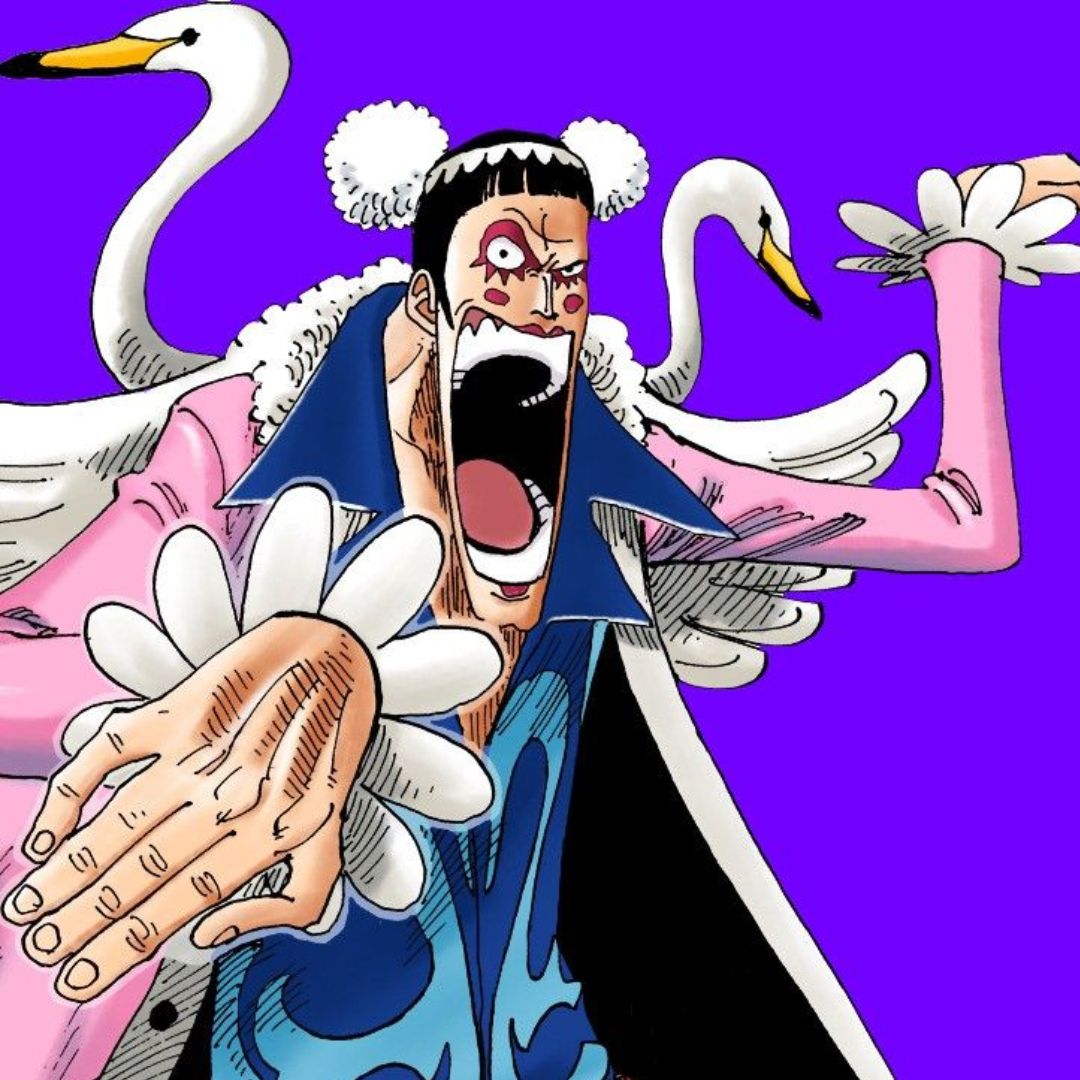
アンタ、それ最高じゃないの〜!
(Anta, sore saikō janai no~!)
Honey, isn’t that just fabulous!?
やだ〜!ほんとに信じられないわ!
(Yada~! Honto ni shinjirarenai wa!)
Oh no! I just can’t believe it!
Representative characters:
Bon Clay (One Piece), Madame Red (Black Butler)
ボン・クレー(ONE PIECE)、マダム・レッド(黒執事)
Kansai Dialect Speech Style|関西弁キャラ
A Friendly and Humorous Way of Speaking Often Used by Outgoing Characters
The Kansai dialect, or “Kansai-ben,” is a regional dialect spoken in western Japan, especially in areas like Osaka, Kyoto, and Kobe. In Japanese media, characters who speak in Kansai-ben are often portrayed as cheerful, funny, and approachable. The dialect features distinctive intonation and sentence endings such as “~yan,” “~hen,” and “~nande.” It is frequently used to highlight a character’s wit, friendliness, or street-smart attitude.
親しみやすくてノリのいい話し方(陽気でおしゃべりなキャラの定番)
関西弁は、主に大阪や京都、神戸など西日本で使われる方言で、フィクションの中では「明るい」「面白い」「人懐っこい」キャラクターに多く使われます。語尾に「〜やん」「〜へん」「〜ねん」「〜やで」などがつき、イントネーションも独特です。お笑いキャラや人情派キャラの印象づけに使われることが多いです。
Example phrases:
ほんまかいな、アホちゃうか?
(Honma kai na, aho chau ka?)
Seriously? Are you kidding me?
そんなん言われても困るわ〜。
(Sonnan iwaretemo komaru wa~.)
Don’t put me on the spot like that!
Representative characters:
Takoyakiman (Anpanman), Kogoro Mōri (young version) (Detective Conan)
たこやきまん(アンパンマン)、毛利小五郎(名探偵コナン/若い頃)
Baby Talk Style|赤ちゃん語
A Soft and Simplified Way of Speaking Used by Very Young Children
The “baby talk” style mimics the speech of infants or toddlers, featuring simplified grammar, mispronunciations, and soft, drawn-out intonation. Common phrases often include repetitive syllables and cute distortions like “~dechu” instead of “~desu,” or utterances like “babu.” This style is often used in fiction to highlight innocence, helplessness, or comedic cuteness.
幼さと愛らしさを感じさせる話し方
赤ちゃん語は、乳幼児の話し方を模した表現で、語彙や文法が非常に簡単で、音の繰り返し(例:まんま、ぶーぶー)、舌足らずな発音(例:「です」→「でちゅ」)などが特徴です。「ばぶ」などの意味を持たない感情表現もよく使われ、無垢さや甘えの表現として機能します。
Example phrases:
まんま、たべる〜。
(Manma, taberu~.)
Me wanna eat~!
ねんね、いや〜。あそぶ〜!
(Nenne, iya~. Asobu~!)
No sleepy! I wanna play~!
ミルクほしいでちゅ〜。
(Miruku hoshii dechu~.)
I want milk~!
ばぶ〜。
(Babu~.)
[Babbling sound of a baby; used to express emotion without words]
Representative characters:
Himawari Nohara (Crayon Shin-chan), Baby Daisy (Mario series)
野原ひまわり(クレヨンしんちゃん)、ベビィデイジー(マリオシリーズ)
Yakuza Speech Style|ヤクザ語
A Rough and Intimidating Way of Speaking Associated with Japanese Gangsters
The “yakuza” speech style is characterized by its coarse, threatening tone and heavy use of regional dialects—especially Kansai-ben. Common features include masculine sentence endings like “~ja,” “~kora,” and “~warya,” with abrupt or clipped intonation. It’s often used in fiction to portray characters involved in organized crime or tough street dealings.
荒っぽく威圧的な話し方(日本の「極道」キャラの定番)
ヤクザ語は、日本のフィクションに登場する「極道(ごくどう)」、つまり裏社会の男性キャラクターが使う口調です。「〜じゃ」「〜コラ」「〜しとんのかワレ」など、攻撃的で荒々しい語尾が特徴で、関西弁や広島弁の影響が強く見られます。短く切るような言い回しで、相手を威圧する雰囲気を醸し出します。
Example phrases:
おう、なに勝手なことしとんじゃワレ!
(Ō, nani katte na koto shiton ja ware!)
Hey! Who the hell said you could do that, punk!?
これ以上ナメた真似しとったら、シメるぞコラ。
(Kore ijō nameta mane shittottara, shimeru zo kora.)
You keep messing with me, and I’ll make you regret it!
Representative characters:
Goro Majima (Yakuza / Ryū ga Gotoku series)
真島吾朗(龍が如くシリーズ)
Yankee Speech Style|ヤンキー語
A Rough, Rebellious Way of Speaking Associated with Delinquent Characters
The “yankee” speech style is used by characters portrayed as juvenile delinquents, punks, or street fighters. It features aggressive tone, crude grammar, and confrontational expressions. Common sentence endings include “~ja nee ka,” “~darou ga,” and expletive-like filler words. This style conveys rebelliousness, hot-headedness, and a disregard for authority, and is often used in anime and manga for rough-yet-passionate characters.
荒っぽく挑発的な、不良キャラの定番口調
ヤンキー語は、いわゆる「不良」や「番長」など、反骨精神の強い若者キャラが使う口調です。「〜じゃねぇか」「〜だろうが」「うるせーよ」「ぶっ飛ばすぞ」など、乱暴で挑戦的な表現が多く使われます。口調はぶっきらぼうで声も大きく、相手を威圧するような語感が特徴です。見かけによらず情に厚いキャラにもよく用いられます。
Example phrases:
おいコラ、やんのか!?
(Oi kora, yan no ka!?)
Hey punk, you wanna go!?
ふざけんなよ、ぶっ飛ばすぞコラ!
(Fuzaken na yo, buttobasu zo kora!)
Don’t mess with me—I’ll knock your lights out!
Representative characters:
Hanamichi Sakuragi (Slam Dunk), Kuwabara Kazuma (Yu Yu Hakusho)
桜木花道(SLAM DUNK)、桑原和真(幽☆遊☆白書)
Samurai Speech Style|サムライ語
A Formal and Archaic Way of Speaking Associated with Warriors and Retainers
The samurai speech style imitates the language used by samurai or retainers in historical Japan. It features archaic grammar, humble tone, and highly formal sentence endings such as “~de gozaru” or “~tsukamatsuru.” In fiction, this style evokes honor, discipline, loyalty, and the old Japanese warrior spirit.
礼儀正しく古風な、武士や家臣に見られる話し方
侍語は、時代劇や歴史アニメなどで武士・剣士キャラが用いる古風な口調です。「〜でござる」「〜いたす」「〜つかまつる」などの格式高い語尾が特徴で、丁寧かつ威厳のある印象を与えます。忠義や礼節を重んじるキャラクター、または時代背景のある物語でよく使われます。
Example phrases:
拙者、主君の命により参上つかまつった。
(Sessha, shukun no mei ni yori sanjō tsukamatsutta.)
I have arrived at my lord’s command.
いざ、尋常に勝負いたす!
(Iza, jinjō ni shōbu itasu!)
Now then, let us duel with honor!
Representative characters:
Himura Kenshin (Rurouni Kenshin), Goemon Ishikawa (Lupin the Third)
緋村剣心(るろうに剣心)、石川五ェ門(ルパン三世)
Tsundere Speech Style|ツンデレ語
A Contradictory Mix of Coldness and Affection, Often Seen in Romantic Comedies
The “tsundere” speech style is used by characters who oscillate between being cold or hostile (“tsun-tsun”) and warm or loving (“dere-dere”). This style is marked by emotional tension and sudden shifts in tone—often starting with harsh words followed by bashful softening. It’s commonly used in romantic fiction to portray characters who struggle to express affection directly.
素直になれない、不器用な愛情表現が魅力の話し方
ツンデレ語は、相手に好意があるにもかかわらず、つい冷たく当たってしまうキャラクターが使う話し方です。ぶっきらぼうな「〜じゃないんだから!」という否定的な語尾や、素直になりきれない照れ隠しが特徴です。恋愛系作品で定番のキャラクター属性であり、ギャップによる魅力を演出するために用いられます。
Example phrases:
べ、別にあんたのためにやったんじゃないんだからねっ!
(Be, betsu ni anta no tame ni yatta n janai n dakara ne!)
I-It’s not like I did it for you or anything, okay!?
ちょっと…心配なんかしてないんだから!
(Chotto… shinpai nanka shitenai n dakara!)
I’m not worried about you or anything… geez!
Representative character:
Kurisu Makise (Steins;Gate)
牧瀬紅莉栖(シュタインズ・ゲート)
Zamasu Speech Style|ザマス語
An Exaggerated, Old-Fashioned Way of Speaking Used by Comedic Older Women
The “zamasu” speech style is a fictionalized and humorous way of speaking associated with wealthy, upper-class older women—often portrayed as snobbish or out of touch. It is characterized by the use of the sentence-ending particle “~zamasu,” a parody of “~de gozaimasu,” giving the character a haughty and theatrical tone. This style is typically used in anime and comedy to highlight pretentiousness, rigid manners, or outdated social airs.
古風で堅苦しい、年配女性キャラによく使われる誇張表現
ザマス語は、裕福な家庭のマダムや世間知らずなおばさまを皮肉交じりに描くための話し方で、語尾に「〜ざます」をつけるのが特徴です。「ございます」の変形であるこの語尾は、丁寧すぎてかえって鼻につく印象を与え、コメディでは「見下し系マダム」や「お節介な上流階級の奥様」などの演出によく使われます。
Example phrases:
スネ夫ちゃんは特別な子ざます!
(Suneo-chan wa tokubetsu na ko zamasu!)
My little Suneo is a very special boy!
うちのスネ夫にそんなことをさせるなんて失礼ざますわ!
(Uchi no Suneo ni sonna koto o saseru nante shitsurei zamasu wa!)
How dare you make my Suneo do such a thing—how rude, zamasu!
Representative character:
Suneo’s Mother (Doraemon)
スネ夫のママ(ドラえもん)
Chinese-Accented Japanese Speech Style|中国人語
A Fictional and Exaggerated Way of Speaking that Mimics Chinese Speakers
The “Chinese-accented Japanese” speech style imitates how Chinese speakers are imagined to speak Japanese, often in a simplified, broken manner. It typically omits grammatical particles and adds sentence endings like “~aru yo” or “~ne.” This style was often used in older Japanese manga and anime to portray foreign characters symbolically, but it differs significantly from how actual Chinese speakers use Japanese and is now recognized as a problematic stereotype.
中国語話者を真似した、フィクション上の誇張された口調
中国人語は、日本語を話す中国人を真似たとされる、カタコト風の話し方です。文法は簡略化され、助詞が省かれ、語尾に「〜あるよ」「〜ネ」などをつけるのが特徴です。日本の昔のマンガやアニメでは、外国人キャラを記号的に描くために使われることがありましたが、実際の中国語話者の日本語とは大きく異なり、ステレオタイプとして問題視されることもあります。
Example phrases:
このチャーハン、とてもおいしいあるよ!
(Kono chāhan, totemo oishii aru yo!)
This fried rice, very delicious yes!
あなた、ちょっと来るネ。話あるネ。
(Anata, chotto kuru ne. Hanashi aru ne.)
You come here, yes? I have something to say.
Representative characters:
China-san (Gag Manga Biyori), Chinjao (One Piece)
チャイナさん(ギャグマンガ日和)、チンジャオ(ONE PIECE)
⚠️ Note on Usage|使用上の注意
The “Chinese-accented Japanese” speech style is a cultural stereotype, not a reflection of real linguistic behavior. It originated in a time when foreign characters were exaggerated for humor or simplicity in fiction.
Today, its use is considered outdated and potentially offensive, especially in educational or public-facing content. If used, it should be clearly identified as a fictional trope, not a model of actual intercultural speech.
このスタイルは、実際の中国語話者の日本語とは異なる「フィクション上の誇張表現」です。
現代ではステレオタイプとして批判されることもあり、公的な場や学習教材での使用には配慮が求められます。使用する場合は、あくまで「創作上の記号的演出」であることを明示することが重要です。